Direct answer: Lily of the valley (铃兰, línglán) is the flower of Convallaria majalis, a small perennial of the asparagus family (Asparagaceae) native to the northern temperate zone. Its bell-shaped flowers carry a delicate, green, sweet, fresh floral scent prized in modern perfumery. It is a modern fragrance flower, not a classical Chinese incense ingredient — and it is poisonous, never to be burned.
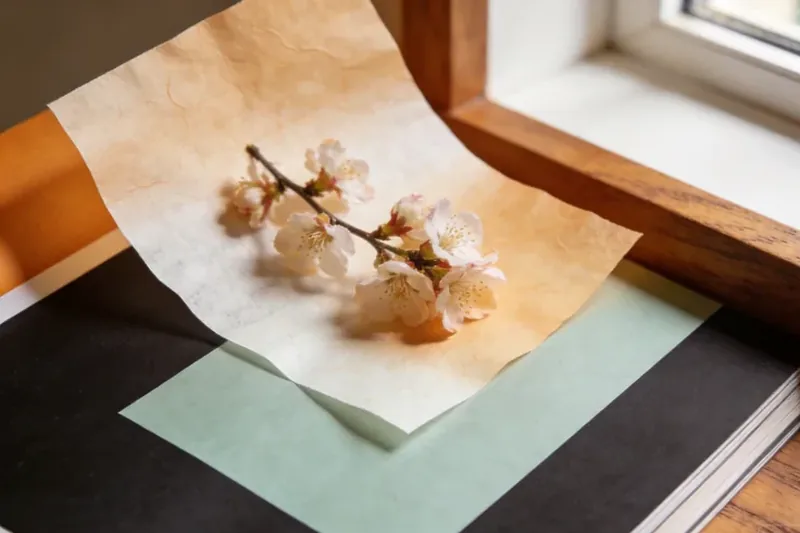
Key facts
| Chinese | 铃兰 (línglán) |
| Botanical source | Convallaria majalis (family Asparagaceae) — the flower |
| What it is | A northern-temperate woodland perennial with bell-shaped flowers |
| Aroma | Floral, green, sweet, fresh, delicate |
| Traditional role | None in classical Chinese incense; modern perfumery (the “muguet” note) |
Aroma profile
铃兰 (lily of the valley) has a delicate, green, sweet, fresh floral scent — the airy, almost soapy-clean “muguet” note of fine perfumery, with a dewy greenness and a whisper of jasmine-like sweetness. The natural flower’s scent is famously hard to capture, so modern perfumery almost always renders the note with synthetic materials such as hydroxycitronellal and lilial.
A provenance note (read this)
铃兰 (lily of the valley) is a modern fragrance flower, not a classical Chinese 香材:
- Convallaria majalis is a northern-temperate woodland species; Flora of China records it in northern China, so the plant is not foreign to China. But its use as a fragrance note is a modern European perfumery tradition — the “muguet” note — absent from the classical 香材 canon.
- It is not burned: the whole plant is poisonous, and burning it is not a classical or modern Chinese incense practice.
- Its Chinese role is as an ornamental garden and cut flower, not a 香材.
This page records it honestly as a modern fragrance flower — no classical Chinese incense origin is claimed, and none is fabricated.
A toxicity warning (read this)
铃兰 (lily of the valley) is poisonous:
- All parts of Convallaria majalis contain cardiac glycosides (including convallatoxin and convalloside), which are toxic if ingested and can be harmful through the skin or eyes.
- Do not ingest any part of the plant, and do not burn it as incense. Combustion does not make it safe and can release harmful smoke.
- Keep away from children and pets; wash hands after handling.
This page describes it as an ornamental and perfume flower only. It is not an incense material.
Botanical source and origin
Convallaria majalis is a low woodland perennial, now placed in the asparagus family (Asparagaceae), formerly in the lily family (Liliaceae, as in Flora of China). It is native across the northern temperate zone, including northern China, where Flora of China records it. The fragrant part is the small, white, bell-shaped flower; the scent is delicate and famously fleeting, so perfumery recreates it synthetically.
In modern use
- Perfumery: the “muguet” note is a classic fresh, green floral in fine fragrance, almost always rendered with synthetic materials rather than the natural flower.
- Ornamental: the plant is a popular garden and cut flower.
- Not an incense material: the plant is poisonous and is never burned; it has no place in classical or modern Chinese incense.
Traditional use vs modern evidence
There is no classical Chinese incense record for 铃兰 (lily of the valley); its fragrance role is entirely modern. We make no medical claims. The documented facts are botanical identity, the Asparagaceae placement, its toxicity, and its modern perfumery role.
Quality and sourcing notes
Practical points for buyers:
- 铃兰 (lily of the valley) here is Convallaria majalis; its note in fragrance is almost always a synthetic “muguet” accord, not the natural flower.
- It is poisonous — all parts — and is not an incense material; do not burn it.
- If sourcing a “lily of the valley” fragrance, it is a synthetic perfumery note, not a botanical incense ingredient.
Safety
Lily of the valley is poisonous. All parts of Convallaria majalis contain cardiac glycosides and are toxic if ingested. Do not burn it as incense, do not ingest any part, and keep away from children and pets. This page describes it as an ornamental and perfume flower only. Incense combustion in general produces smoke and particulate matter; burn any incense in a well-ventilated space. This is editorial knowledge content, not medical advice.
FAQ
What is 铃兰 (lily of the valley)? The flower of Convallaria majalis, a small woodland perennial of the asparagus family (Asparagaceae), native across the northern temperate zone including northern China. Its bell-shaped flowers carry a delicate, green, sweet, fresh floral scent. It is a modern perfume flower, not a classical Chinese incense ingredient, and it is poisonous.
Is lily of the valley poisonous? Yes. All parts of Convallaria majalis contain cardiac glycosides (including convallatoxin and convalloside), which are toxic if ingested and can be harmful through the skin or eyes. It should never be ingested or burned as incense, and it should be kept away from children and pets.
Is lily of the valley a classical Chinese incense ingredient? No. It is a modern European perfumery note (the “muguet” note) with no place in the classical 香材 canon. In China it is an ornamental garden and cut flower, not a 香材, and because the plant is poisonous it is never burned.
What does lily of the valley smell like? Delicate, green, sweet, and fresh, with a dewy greenness and a whisper of jasmine-like sweetness — the airy, almost soapy-clean “muguet” note of fine perfumery. The natural flower’s scent is hard to capture, so perfumery renders the note with synthetics such as hydroxycitronellal.
How is lily of the valley used in perfumery? As the classic fresh, green “muguet” floral note, almost always recreated with synthetic materials rather than the natural flower, because the scent is fleeting and the plant is poisonous. It is a modern fine-fragrance note, not a botanical incense ingredient.
See also: jasmine (茉莉), rose (玫瑰), orris root (鸢尾根), and the full scent guide.
Evidence & Sources
Botanical identity
Source: Convallaria majalis in Flora of China · Convallaria majalis on GBIF. Evidence type: Established.
Modern use
Source: the “muguet” (lily-of-the-valley) note as a classic fresh green floral in modern perfumery, almost always synthetic; no classical Chinese incense record. Evidence type: Modern perfumery — no classical Chinese record; none claimed.
Toxicity
Source: all parts of Convallaria majalis contain cardiac glycosides (convatoxin/convaloside) and are toxic if ingested; not an incense material. Evidence type: Established — documented toxicity.
Safety
Source: the plant is poisonous and never burned; general incense combustion produces smoke and particulate matter. Evidence type: Established.
Evidence status
| Layer | Status |
|---|---|
| Botanical identity | Established |
| Traditional use | None (modern perfumery) |
| Authenticity test | Practical screening |
| Health claims | Not established |
| Toxicity | Established (poisonous) |
Sources
Sources: botanical references on Convallaria majalis. 铃兰 (lily of the valley) is a modern perfume flower with no classical Chinese incense record; no such origin is claimed. The plant is poisonous and is not an incense material. This is editorial knowledge content, not medical advice.